




Advertisement
Advertisement
A resident of California has been diagnosed with the plague, leading officials to issue an uncommon health advisory.
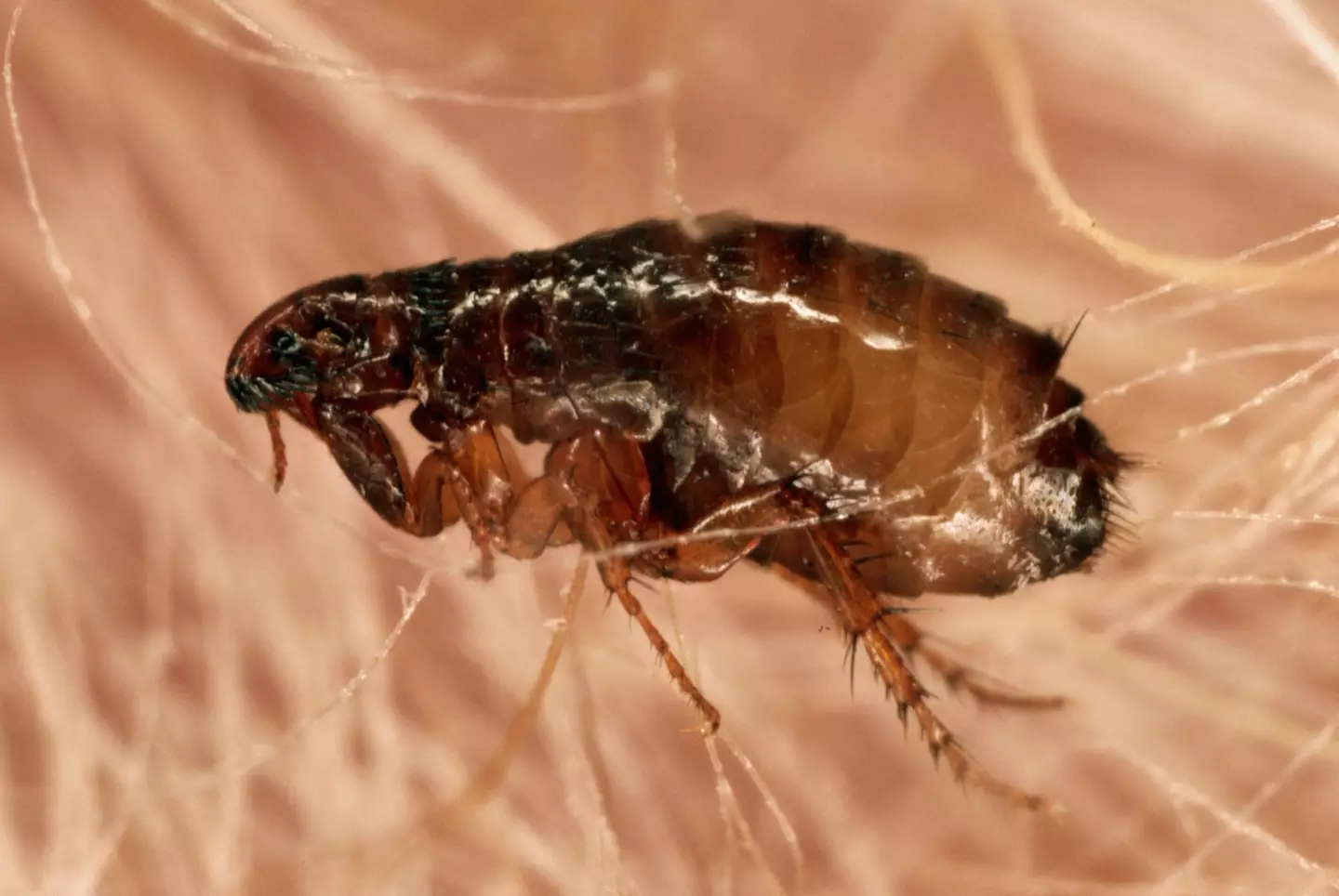
The individual, whose identity has not been disclosed, had been camping in South Lake Tahoe. El Dorado County officials suspect that an infected flea may have bitten them.
The person affected is currently receiving medical care and is recovering at home, according to health authorities.
Officials have noted the rarity of human plague cases, with the last reported incident in the South Lake Tahoe area occurring in 2020.
Advert
Prior to this, in 2015, two individuals tested positive for the plague after exposure in Yosemite National Park.
"Plague is naturally found in many regions of California, including the higher elevation areas of El Dorado County," stated Kyle Fliflet, the Acting Director of Public Health for El Dorado County.
"It's crucial for people to take safety measures for themselves and their pets when outdoors, particularly when walking, hiking, or camping in areas where wild rodents are present," he further explained.
What is the plague?

Advert
The plague is a severe infectious disease caused by the bacterium Yersinia pestis. It typically spreads to humans through bites from fleas living on rats or other animals, but certain forms can also spread from person to person.
Although it can be life-threatening without prompt treatment, it is treatable with antibiotics if diagnosed early enough.
There are three primary types:
- Bubonic plague – causes swollen, painful lumps (known as buboes) in the lymph nodes.
- Septicemic plague – infects the bloodstream, causing fever, bleeding, and organ failure.
- Pneumonic plague – affects the lungs and can spread through coughing and sneezing.
What are the symptoms of plague?
Advert
In humans, plague symptoms may include:
- Sudden onset of fever and chills
- Headache
- Nausea
- Muscle aches and fatigue
- Swollen, painful lymph nodes (buboes), typically in the armpit, groin, or neck
In pets, the disease manifests as fever, lethargy, decreased appetite, and swollen lymph nodes.
How to prevent plague

Advert
Health officials in El Dorado County have provided several tips to prevent plague, such as:
- Avoid feeding squirrels, chipmunks, or other wild rodents.
- Do not handle sick, injured, or dead rodents.
- Prevent your pets from playing with or picking up sick, injured, or dead rodents.
- Avoid camping, sleeping, or resting near animal burrows or places where dead rodents are found.
- Pay attention to and follow posted warning signs.
- Wear long pants tucked into boots and apply insect repellent containing DEET on socks and pant cuffs to minimize exposure to fleas.
- If possible, leave pets at home; otherwise, keep them on a leash. Prevent pets from approaching sick or dead rodents or exploring rodent burrows.
- Use flea control products to protect pets.
- Pet cats are highly susceptible to plague and can pose a direct risk to humans. Keep cats away from rodents. Consult a veterinarian if your cat becomes ill after contact with rodents.
- If you become ill after being in an area where plague is known to occur, consult a physician and inform them about potential plague exposure.
How rare are human cases of plague?

Advert
As stated, the plague is extremely rare in America, with the Centers for Disease Control (CDC) reporting an average of seven human cases annually, most occurring in rural areas of the Western United States.
What are the plague reports this year?
This year, there have been several reports of the plague in both humans and animals across the United States.
Earlier this month, a cat in Colorado was diagnosed with the plague and died, and a man from Arizona who contracted the plague passed away from the illness in July.
He was taken to a medical center with severe symptoms but sadly died the same day, with the autopsy later confirming the presence of the plague bacterium.
For more information about the plague, you can visit the official CDC website here.

Advertisement
Advertisement
Advertisement


