




Advertisement
Advertisement
Did you know that blue eyes aren't truly blue?
We apologize if this is surprising to those who take pride in their eye color, but it's hard to dispute science and statistics.
Eye color is a distinctive feature for many, available in a variety of shades, with some people choosing to wear colored contact lenses or even undergo surgery to achieve their preferred hue.
Research indicates that blue eyes originated from a genetic mutation in Europe, dating back between 6,000 and 10,000 years ago.
Advert
Many people are fond of their eye color, but scientists have revealed a surprising truth for those with blue eyes (or admirers of the color).
It turns out that we've been living with a misconception, as researchers have found that blue eyes aren't genuinely blue.
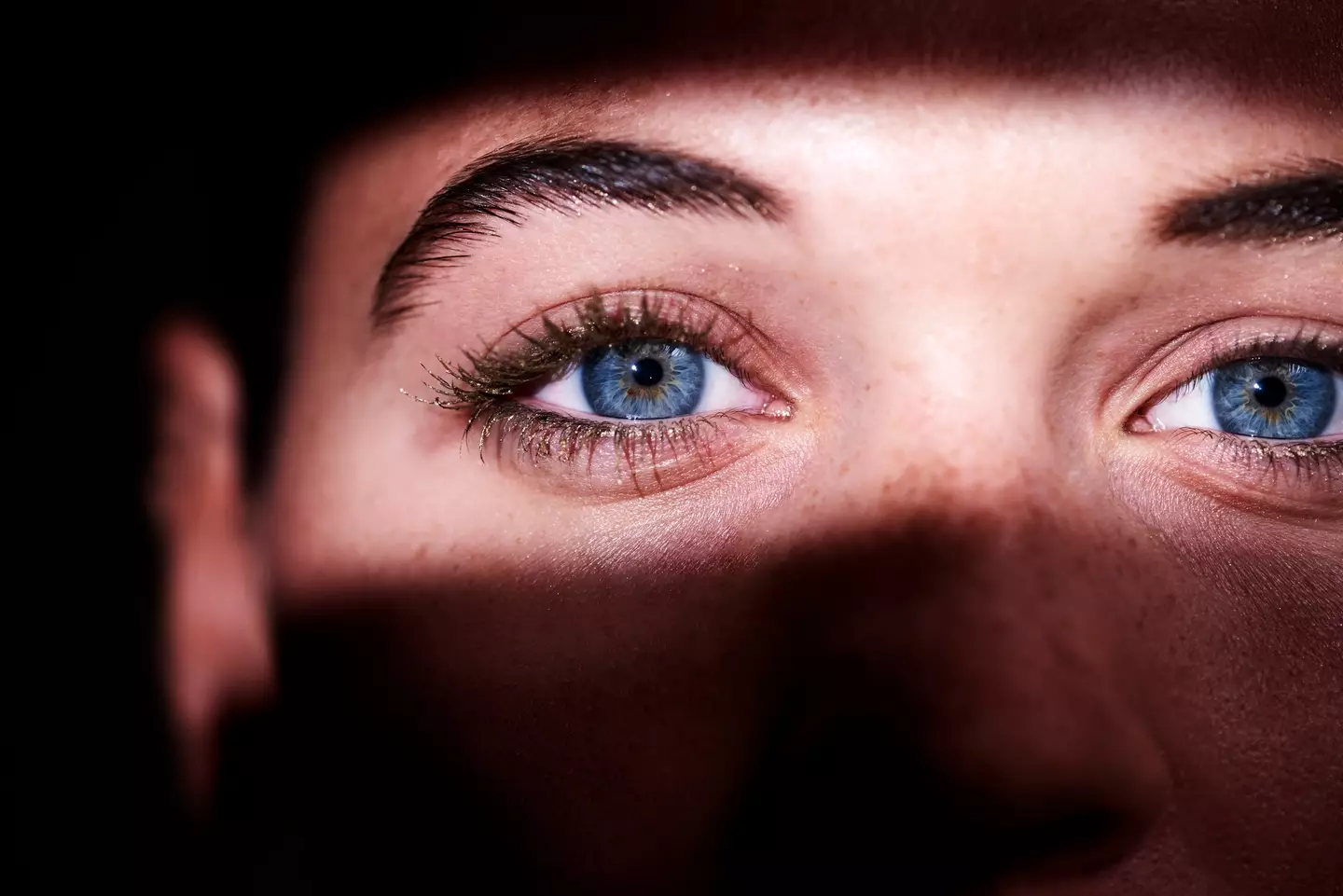
So what color are they really?
Advert
It's a phenomenon similar to why the sky and the sea appear blue, although they are actually clear.
Clear eyes don't quite have the same poetic allure, do they?
This is known as the Tyndall effect, where the blue hue of the iris is due to the scattering of light.
Dr. Davinia Beaver, a biomedical scientist at Bond University in Australia, explained that melanin, or the lack thereof in blue eyes, contributes to the color.
Advert
"Brown eyes have a high concentration of melanin, which absorbs light and gives them a darker appearance," she wrote for The Conversation.
"In contrast, blue eyes contain very little melanin, and the shorter wavelengths of light, such as blue, are scattered more efficiently than longer wavelengths like red or yellow."
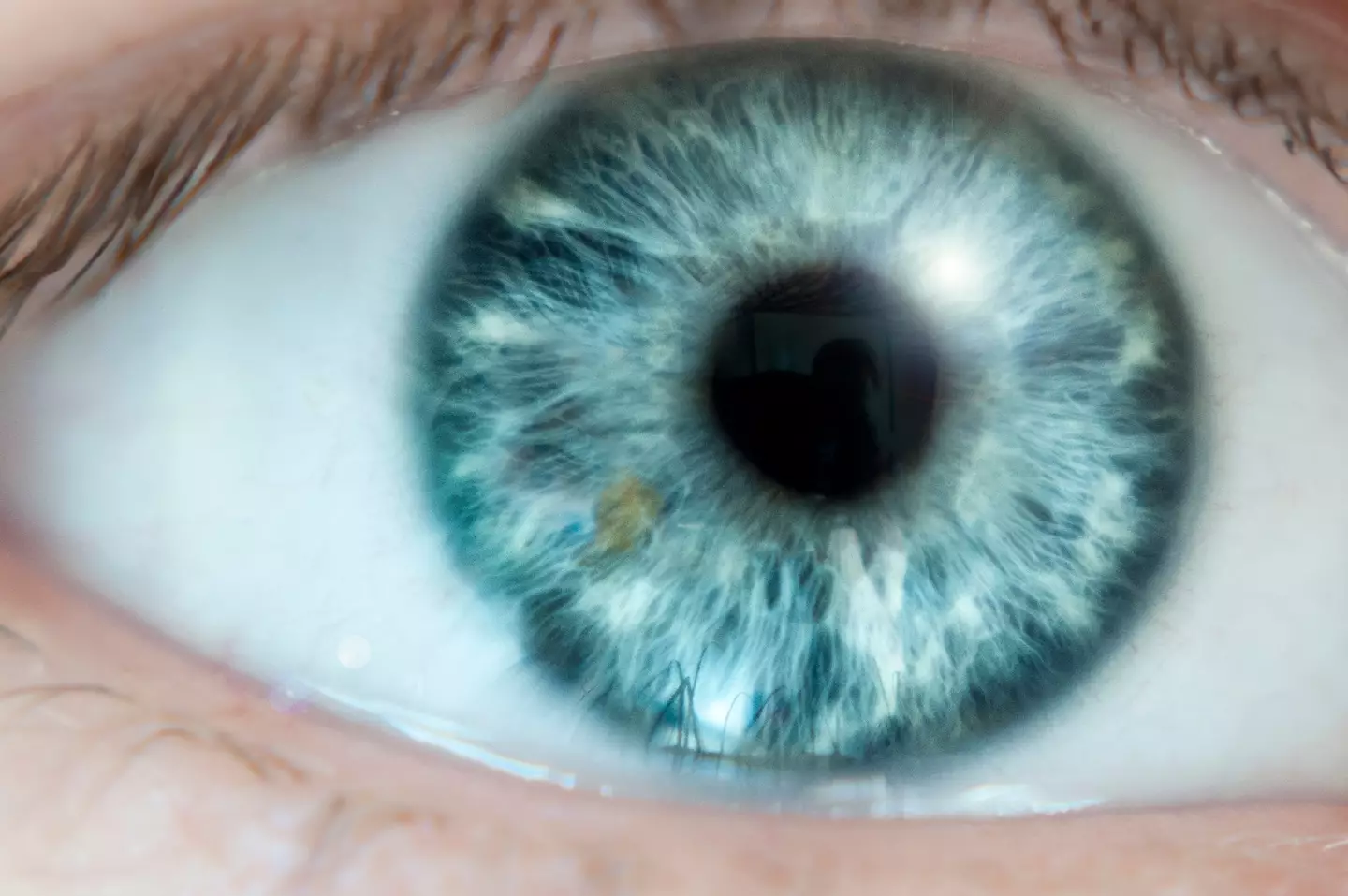
Dr. Beaver added: "Due to the low melanin concentration, less light is absorbed, allowing the scattered blue light to dominate what we see."
Advert
She mentioned that melanin levels also affect green and hazel eyes.
"Green eyes are rare because they result from a genetic anomaly that reduces melanin levels—but not as much as in blue eyes," the scientist explained.
"Hazel eyes are even more complex, as uneven melanin distribution in the iris creates a 'mosaic' of colors that can change depending on the light."
Recent studies have revealed that multiple genes are responsible for eye color.
Advert
"This explains why siblings in the same family can have significantly different eye colors, and why two blue-eyed parents can sometimes have a child with green or even light brown eyes," Dr. Beaver noted.
Eye color can also change as a child grows, with melanin increasing as they age, so blue eyes in a baby might turn green or brown.
In adults, there's only a slight variation in color appearance based on clothing or lighting conditions.
Research shows that blue is the most common eye color in the UK, with about 48 percent of people having it.
Meanwhile, brown eyes are considered the most common eye color globally.
Advertisement
Advertisement


Advertisement


